


Factory Backed Monaro Team
General Motors Holden world wide ban on motorsport involvement
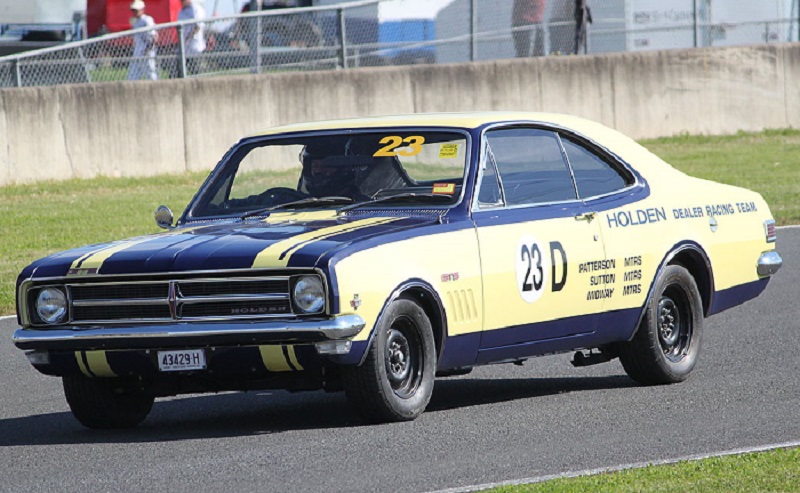
The Holden Dealer Racing Team (HDRT) was covertly backed by Holden through its dealer network. This was a way around General Motors worldwide ban on motorsport involvement, a clever way to both promote the new Monaro while technically not breaking the parent company directive.
In early 1968, the Holden Dealer Racing Team was set up by David McKay (Motoring Journalist and Race Car Driver), who already ran the Scuderia Veloce race team in various forms of motor sport in Australia. Scuderia Veloce, was the first Australian based professional racing team which while furthering McKay’s own racing career also helped many young racing drivers progress.
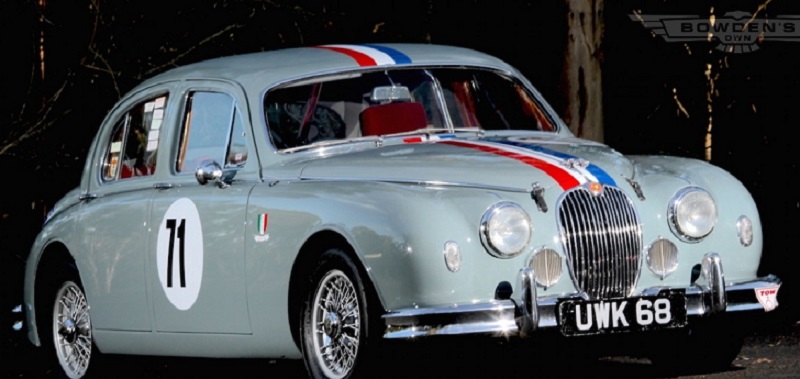
David McKay was Australia’s first Touring Car Champion. In 1960 McKay won the inaugural Australian Touring Car Championship at the Gnoo Blas circuit in Orange driving a Jaguar Mark 1.
1968 Bathurst Monaro 1, 2, 3
Factory Team Outplayed by Privateers
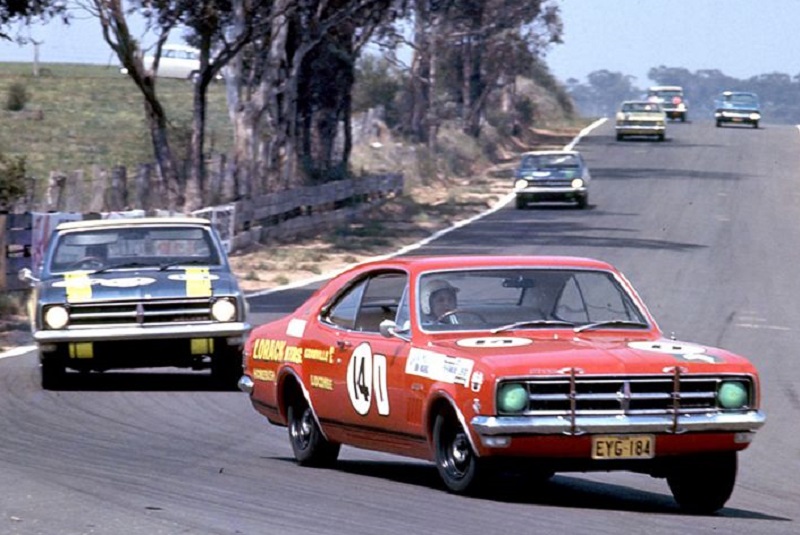
The Holden Dealer Racing Team contested the 1968 Bathurst 500 endurance race at the Mount Panorama Circuit in three new Holden HK V8 Monaros, 23D, 24D and 25D.
The 1968 Bathurst was full of lessons for the Holden Dealer Racing team with a couple of Privateers beating the Factory Holden team to 1st and 2nd placings with the HDRT coming 3rd. Bathurst is an endurance event and brakes, fuel and tires all have to be closely managed otherwise large chunks of time are lost in additional pit stops.
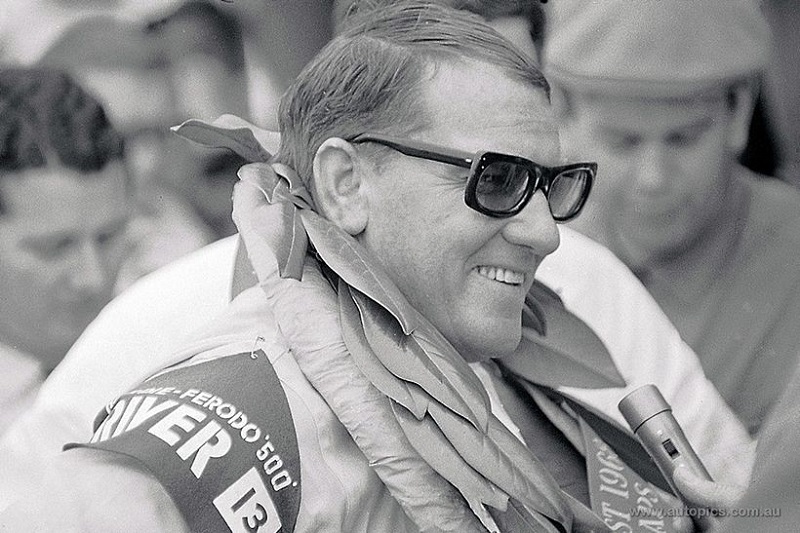
Bruce McPhee won the 1968 Bathurst event with a low cost but very effective endurance focus. Brakes were the powerful Monaros weak link making that the area of focus for Bruce. Bruce replaced the Australian brake pads with UK factory equivalent versions that just happened to have more coverage and an improved compound. He also backed the idle screw right back on the carby to reduce fuel a little, the added benefit was the compression braking noticeably increased allowing less brake pressure into corners.
Des West secured second place in 14D conserving his equipment to minimise stops. In comparison, it is believed the high profile Holden Dealer Racing Team drivers were all racing each other very hard which was to the detriment of their brakes and tires.
The Holden Monaro 1, 2, 3 was a manufactures dream, however with the best Dealer Team Monaro 3rd, Holden only gave a lukewarm reaction to McPhee’s win. There was no congratulation from Holden and surprisingly no offer of assistance to get him into a HT Monaro the following year resulting in Bruce switching to a Falcon GT-HO instead. Even so, the 1968 Bathurst win from Bruce McPhee and Barry Mulholland was unquestionably the HK Holden’s greatest triumph in motor sport.
Prior to Bathurst, David McKay learned of the upcoming 7,000 mile (11,000 km) marathon rally that would traverse through eleven countries in as many days, the London to Sydney Marathon. The event included 2,600 miles (4,200 km) across Australia making it relevant to Australian manufacturers and of great interest to David to promote the new Holden Monaro.
London to Sydney
1968 Daily Express London to Sydney Marathon Rally
The 1968 Daily Express London to Sydney Marathon as it would be known would begin on 24th November in Crystal Palace, London, and finish on 18th December at the Warwick Farm Raceway in Sydney.
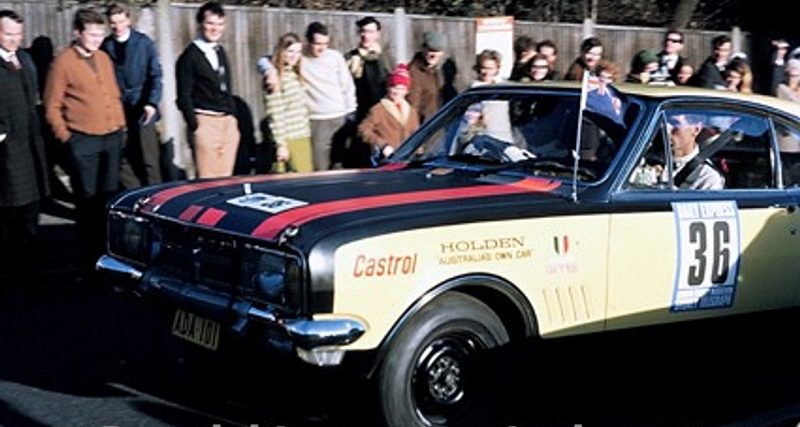
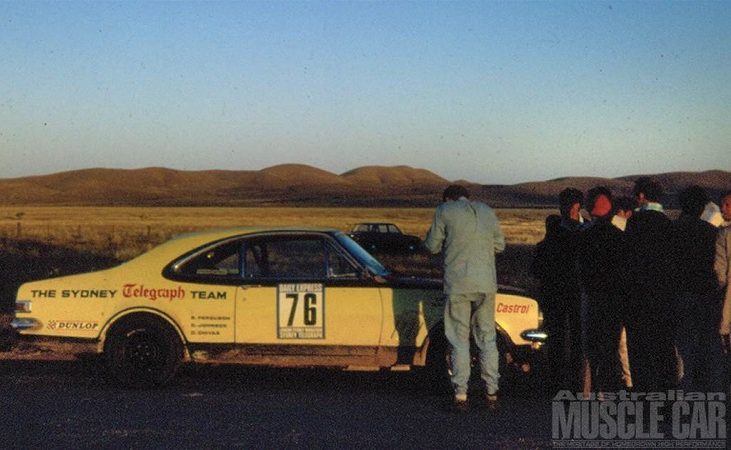
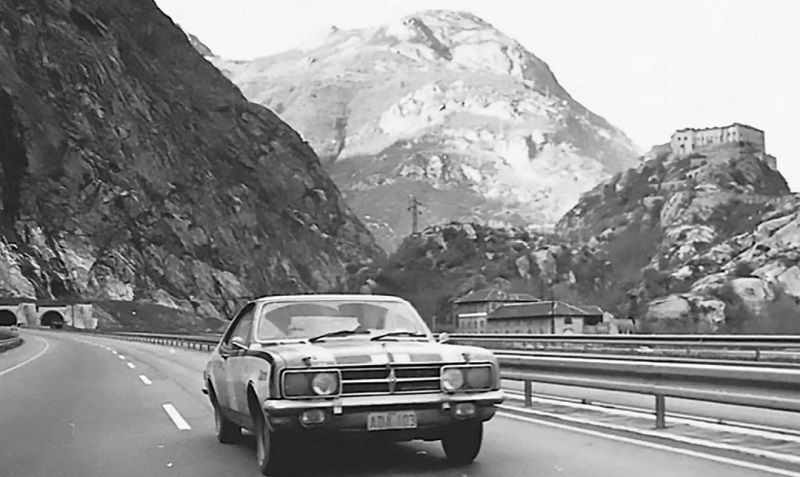
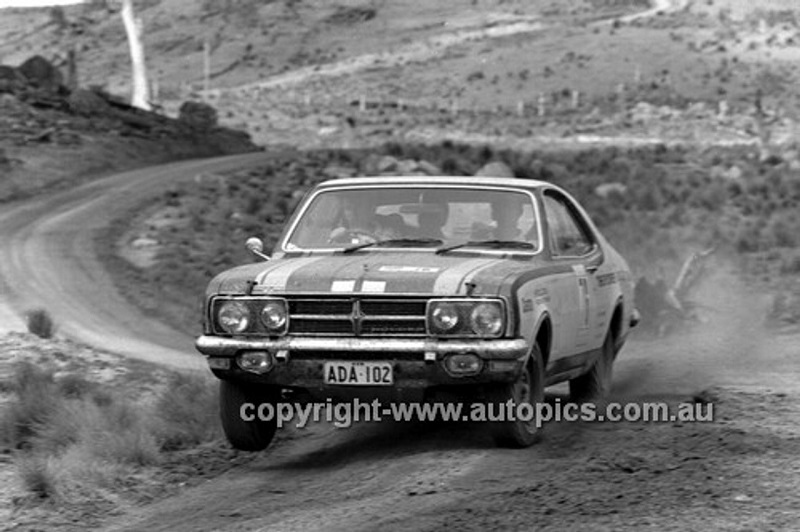
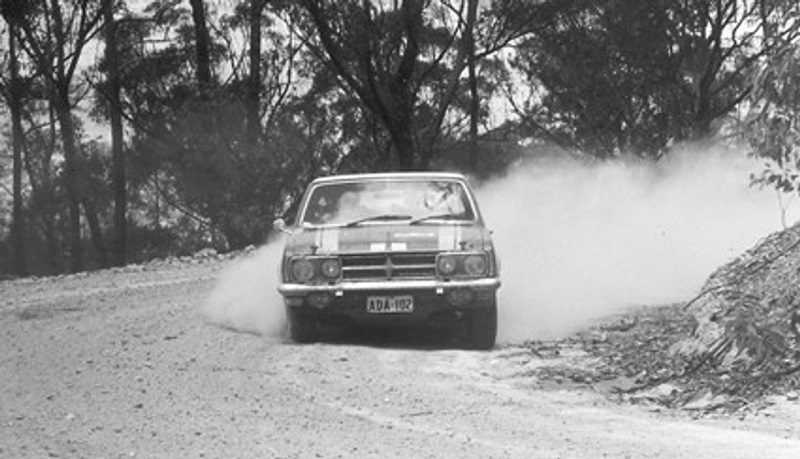
David McKay convinced Holden to get involved by supplying him with three of the yet to be released HK Holden Monaro GTS 327’s in which to run in the event. The Rally Monaros were painted yellow with blacked out bonnet and boots with twin red racing stripes making them really stand out. The three Monaro Rally car registrations were ADA-101, ADA-102 and ADA-103.
The Rally Monaros were prepared by Holden, interestingly not Mackay’s own Scuderia Veloce team. They were prepared under the supervision of Holdens Sales Director, John Bagshaw and chief engineer, Bill Steinhagen. Powered by 350 V8’s and TH400 transmissions, unlike the factory Monaros. The Rally Monaros also had integrated air conditioning and a 54 gallon fuel tank with 3 fillers.
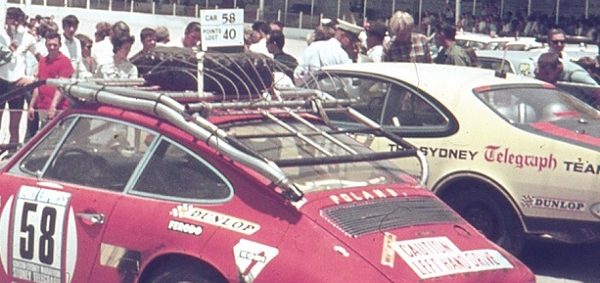
The three Monaros were entered in the event under the name of their major sponsor, The Sydney Telegraph, with the words “The Sydney Telegraph Team” prominently painted on the side of the cars. While this seems odd, not to have the Holden Dealer Racing Team on the side, everyone would still know this was the mighty Holden Monaro with a very happy major sponsor.
Holden Engineers and competent rally drivers Tony Roberts and Bob Watson were not allowed to join the Holden Dealer Racing Team being too close for comfort with the ban on GMH involvement in motorsport. This certainly did not help the Monaros in the preparation space, missing out on this in house expertise.
More than a challlenge
A lot can happen over a 7,000 mile gravel rally
The Marathon had attracted 98 Teams including 25 Works entries covering 9 manufacturers. The Holden Vs Ford big V8 rally car battle would play out between the HK Monaro GTS and the XR Falcon GT.
David Mackay, possibly due to being a successful race car driver himself, was able to attract the highest of drivers to the new Holden Dealer Racing Team. David was the driver of the lead car, the second car was driven by Barry Ferguson (as the Lead Driver and current Australian Rally Champion) and the third car was driven by Dough Whiteford (a triple Australian Grand Prix winner).
The London to Sydney Marathon began but the event did not start well for the Monaros. David McKay got lost early in the first transport eventually arriving at the Paris control down about an hour and minutes before the cut off time. Then in the first real rally stage he spun off the road into a field and managed to knock a wheel loose across a bridge. Barry Ferguson had fan belt issues resulting in the battery loosing all charge during the night but managed to get it sorted and continue on.
The big V8s did have an advantage over the smaller cars, they were definitely more difficult to pass on the gravel. Stories of broken windscreens and headlights from getting too close behind Barry Fergusons Monaro were shared by the eventual winners in a Hillman Hunter. Driving hard and then nursing the poor performing and fragile Monaro brakes to get through stages often resulted in the swapping of positions.
At the half way mark Barry Ferguson was the leading Monaro in 11th place, McKay was 13th and Doug Whiteford and Eddie Perkins were 20th.
Making it back to Australia Eddie Perkins (Winner of REDeX Round Australia Trial) was the fastest V8 on what is claimed as the roughest worst stage ever In Western Australia. Clearly the Aussie cars and drivers were comfortable on home ground however on such a long marathon, support crews would be the key to ultimate success.
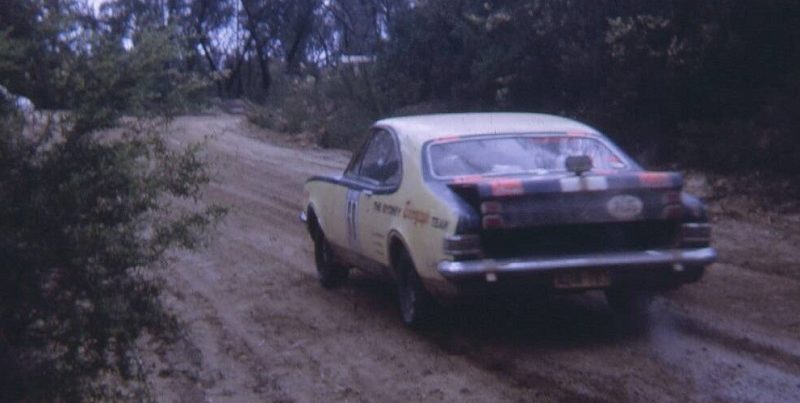
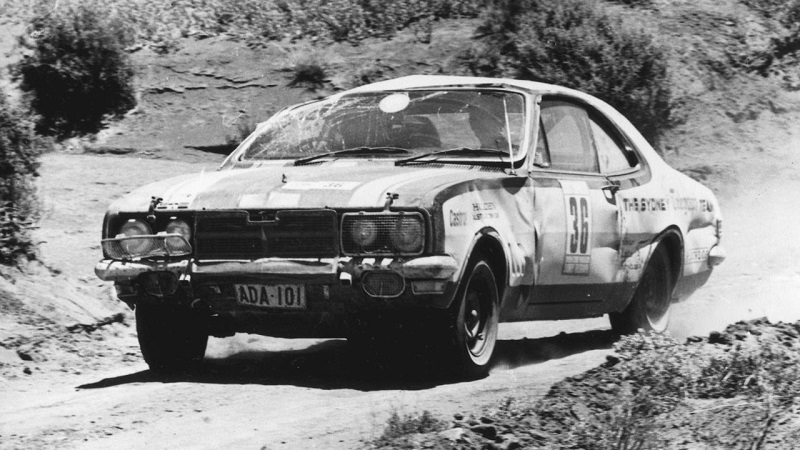
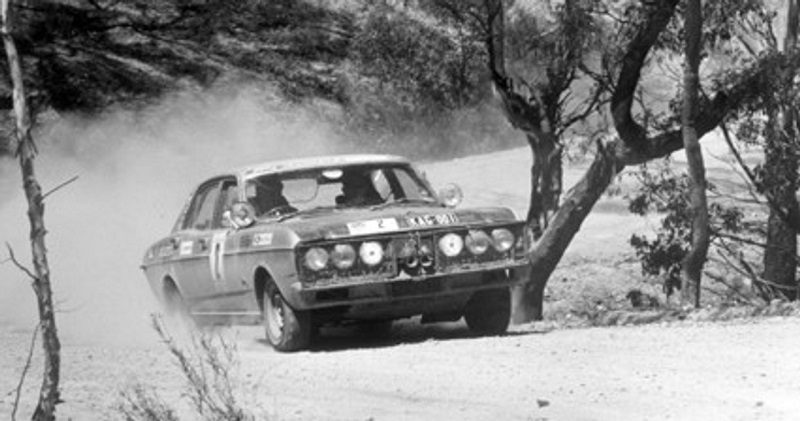
Holden vs Ford
Ford reliability had it over Holden in the 1969 London to Sydney Marathon Rally
During the western Australia service the Monaros had their diffs replaced as a preventative measure. Unknown to the team the diffs they had been running were heavily reinforced Chev diffs (prepared by Holden) however the replacements were just standard Monaro diffs. In South Australia the replacement diff of Barry Ferguson had the slip ring fail resulting in the rear wheel, complete with axle, walk out of the diff and headed off on its own. The Monaro surprisingly survived although loosing lots of time and points in the process.
The David McKay Monaro failed to finish the marathon following a roll over in a sand dune stage near Broken Hill. The driver side front pillar was crushed and most panels battered. This had happened while George Reynolds was driving who upon arrival in Broken Hill received treatment in the Hospital with advice not to continue. This disqualified the Monaro from the rally but with a new windscreen the rolled Monaro was still driven to Sydney allowing McKay to watch the finish.
The Holden Dealer Racing Team Team in the end did not feature strongly in the results. Barry Ferguson finished 12th outright and Doug Whiteford finished 14th.
Aussie pride and credit where credit is due, we must say well done to Ford and Australians Ian Vaughan and team who were third in a factory-entered Ford XT Falcon GT. Ford Australia won the Teams’ Prize with their three Falcon GTs, KAG-001, KAG-002 and KAG-003 placing 3rd, 6th and 8th. Well done Team Blue.
It is fair to say a lot more Monaros and Falcons were sold in Australia due to the event, despite the end results, than any other car models that competed.
The Monaro is the "Camp Fire" that Friends and Family gather around. Strangers are drawn to her, Memories are refreshed and New Memories made. Work, Laugh and Learn together. This is Classic Rally.